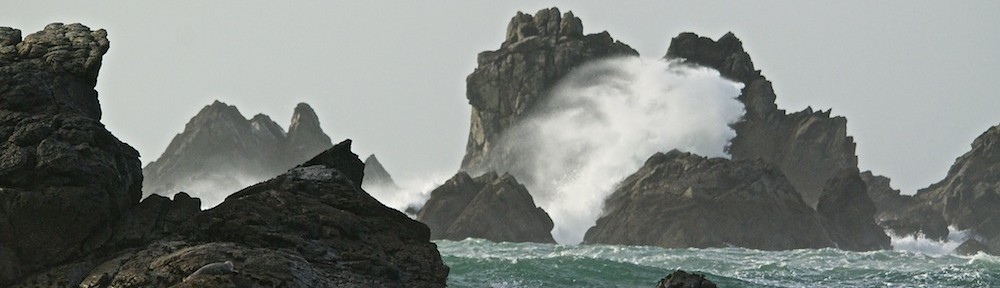
Myanmar – Yangon

The short flight from Bangkok brought us to Yangon. The visa on arrival procedure was very simple, quick and efficient. I couldn’t help think that some other, much more developed countries could learn a few lessons. I guess I have to take into account the fact that Myanmar does not yet have crowds of visitors entering the country all at the same time. The day will come.
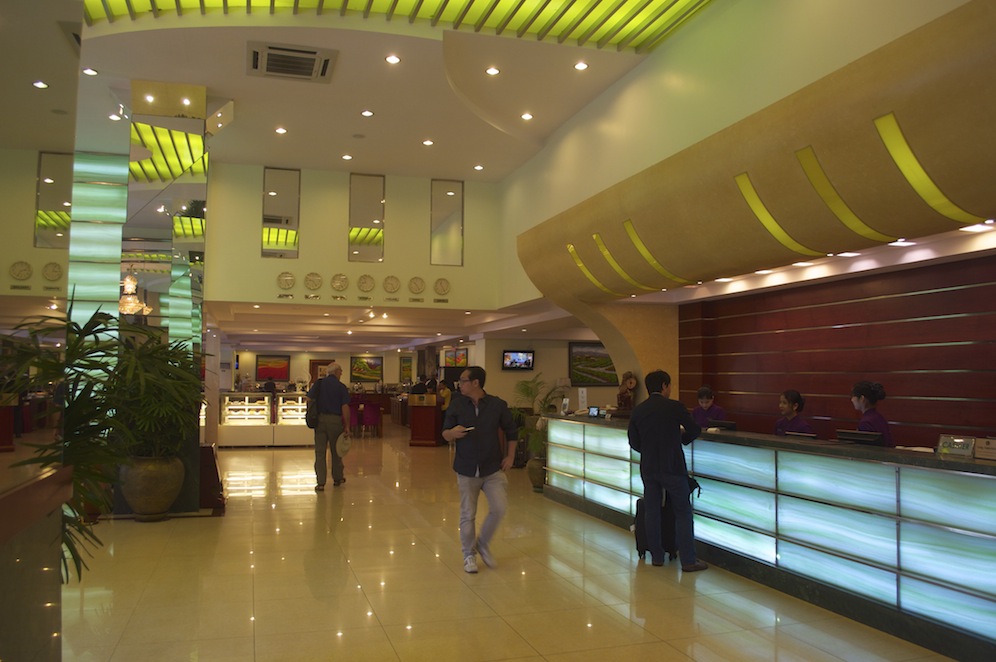
The foyer of Green Hill Hotel

The foyer of Green Hill Hotel

The drive from the airport to our hotel was a bit of an eye opener. Myanmar had been cut off from the rest of the world, had suffered economic sanctions for years. I was expecting to see a city that was struggling with its infrastructure, was dirty and disorganised. Not at all. The roads were good, if a little choked up with the morning rush hour. The streets were clean and, as we neared the centre, there was plenty of evidence of burgeoning development. Understanding the economic benefits of tourism, the government is encouraging the building of new hotels. Our own hotel, Green Hill Hotel, is a very modern, high specification hotel and to give it credibility with the world market is part of the Best Western group.
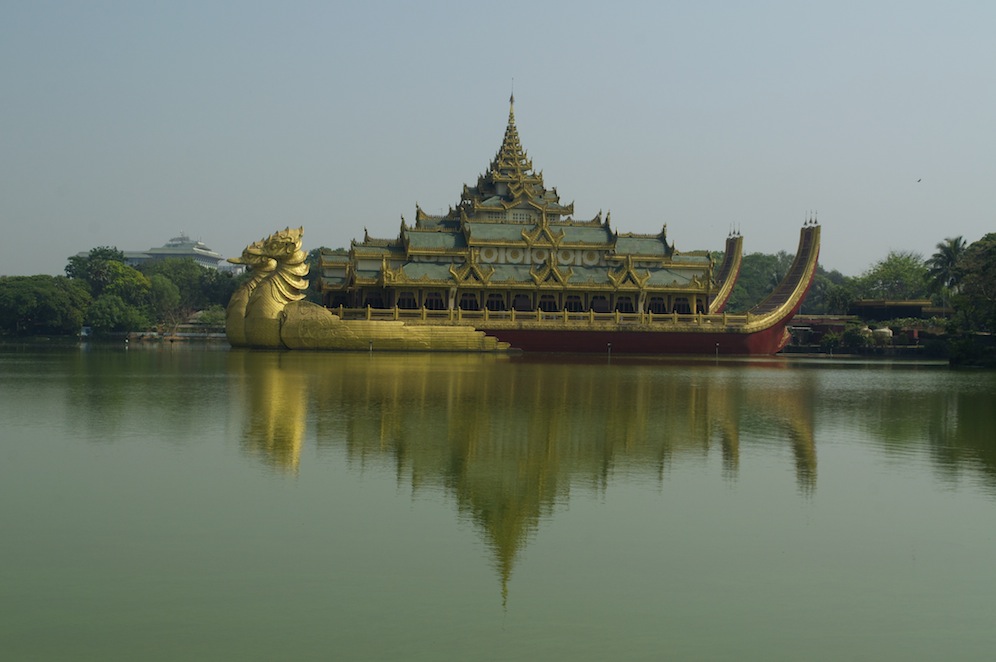
The Royal barge

The Royal barge

As it was early morning our rooms were not yet ready, nor those of the bulk of the group who arrived an hour or so before us from the UK. They had been taken by our group guide to the Royal Lake, Kandawgyi, and parkland for a leg stretch after their long journey and while they waited for their rooms to become available. Angela and I joined them in the park. Across the water we had beautiful views of Shwedagon Pagoda and despite the distance it was still reflected in the green water. The lake was a little too green and the only fish we saw were floating belly up and were very dead. Also across the water was a huge golden dragon boat, a traditional royal barge, now used as a restaurant. It is spectacularly big.

Returning to the hotel at 10.00 we relaxed in the restaurant with coffee while we waited for our rooms to be ready. The air conditioning was much appreciated in the comfortable surroundings. As the rooms became ready people disappeared to relax, freshen up and enjoy. The rooms are large and well furnished. The King-size beds look very welcoming. Each room holder was given a password to access the internet, which, although fairly slow was a welcome surprise. The minibar was fully supplied, the first time we had encountered this in seven weeks of travelling. The rooms were significantly better than I had anticipated. The outlook from the rooms was over the canopy of trees that surround the hotel. Another facility that was not expected was an ATM by the entrance. While there are not yet that many in Yangon, it won’t be long before they are more accessible.

As this was everybody’s first day and they were sleep deprived we did not have too much on the agenda. After a typical Myanmar meal in a restaurant we had free time to enjoy the air conditioning during the hottest part of the day before venturing out again at 4.30.
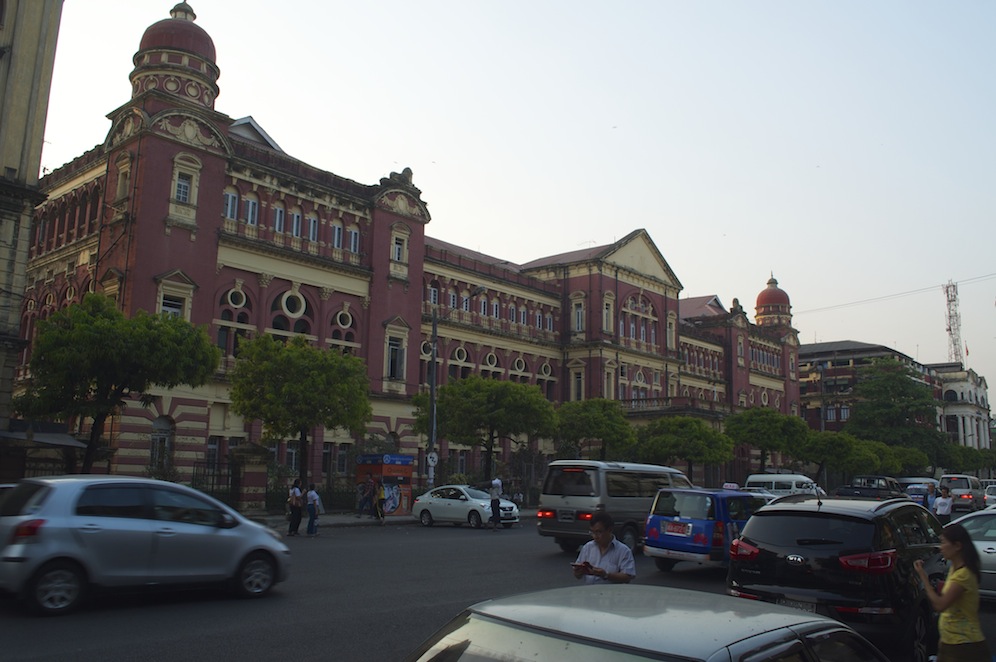
Colonial legacy

Colonial legacy

The group, having rested, met up at 4.30pm and we visited the old colonial part of Yangon, that was developed by the British in the 1860s. I have to be honest here and say that I did not realise how much influence Britain had had in Burma. The hub of the town is made up of colonial buildings, one after another. Many are in need of renovation and look sad with the blackened stains of humidity, but those that have been renovated look really good. Renovation largely depends upon foreign investment rather than relying on the limited funds of the Myanmar government who have the far more important issues of health and education to deal with.
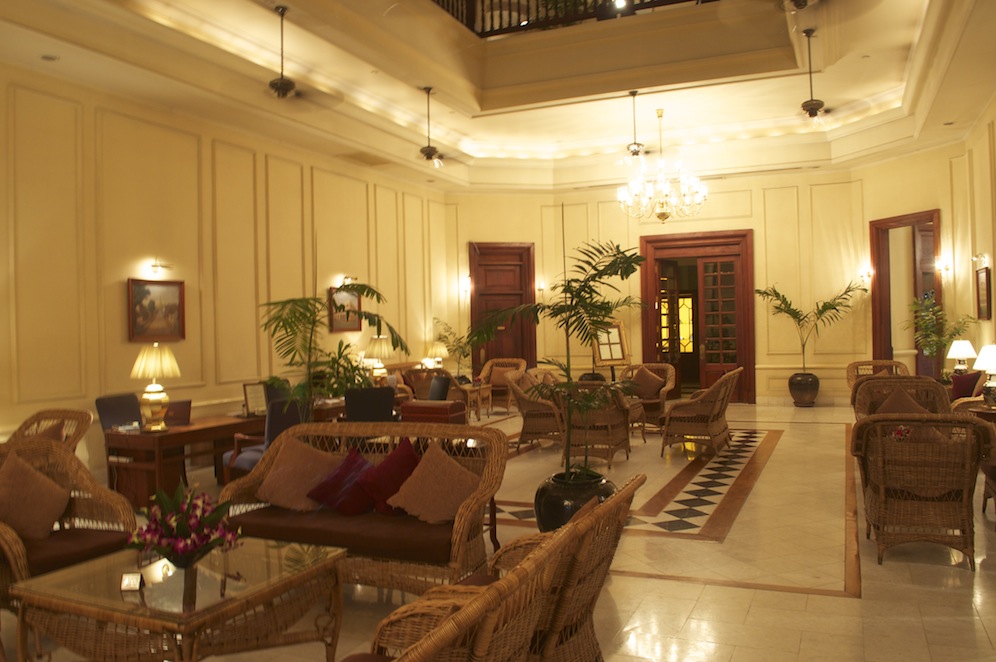
The Strand Hotel

The Strand Hotel

One building that has withstood the test of time is the Strand Hotel, a fine example of 1860s colonial architecture. We ventured inside and explored the various ground floor public rooms. It was like stepping back in time. Even smoking was allowed in the bar, and it was strange to see people taking advantage of the opportunity when we have already become so used to not seeing it in the UK.
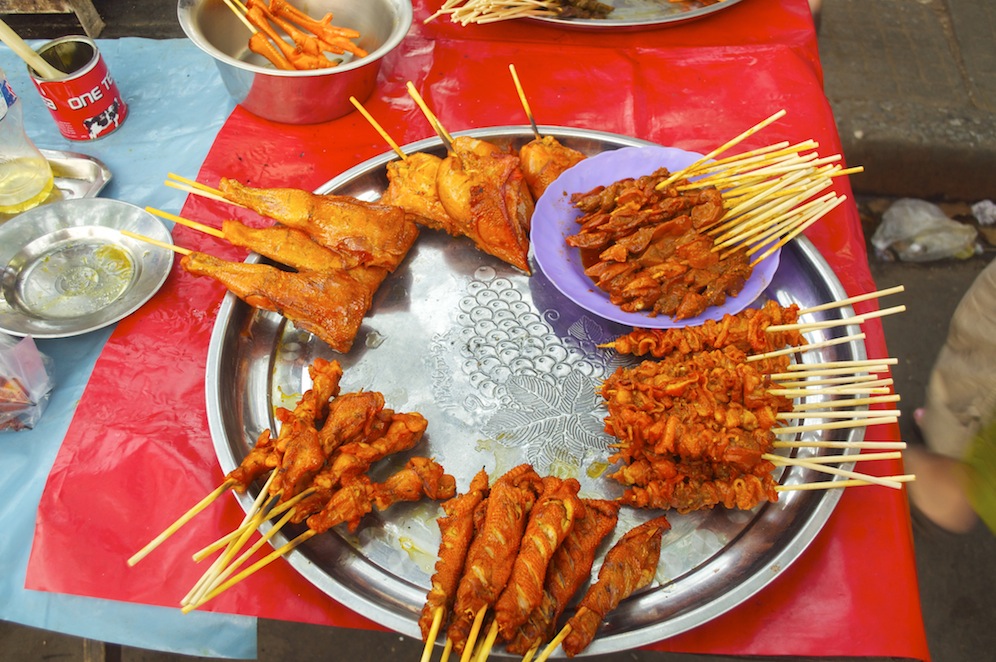
Tasty street food. Hens' feet can be seen in the pot top left.

Tasty street food. Hens’ feet can be seen in the pot top left.

As the light faded and the working day came to an end the streets became a seething mass of activity. Small stalls selling tasty snacks of pork and chicken were cooking on small stoves while people sat at small tables on plastic stools eating and socialising. The most unpalatable item were hens’ feet on the barbecue! Other stalls selling a wide range of tacky objects sprang up but there were a surprising number of second hand book stalls in amongst them. Traffic became busier and buses, taking people home were vying for custom.

As the sun set the lights were turned on the pagodas and their golden glow was like beacons in the night sky.

All too soon it was time for dinner and we were taken to yet another superb restaurant. I had expected this trip to be very frugal with mainly vegetarian food and a lot of rice. There was rice for every meal but there was also plenty of meat, chicken, beef and pork and we could see no reason why we should not eat it.

Our first day in Myanmar had been long and full so an early night was needed so we would be ready to face what the next day would bring.

Breakfast the following morning was a feast of such variety, healthy and less healthy options available.
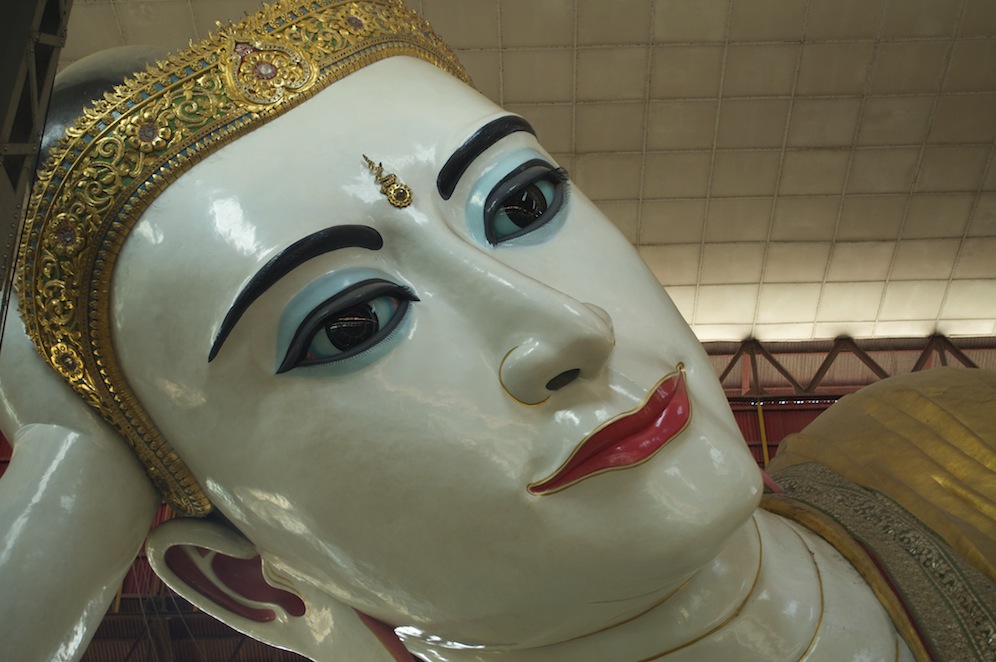
DSC_0331Our first cultural visit of the day was to the Reclining Buddha, at 72m long, one of the largest images in Myanmar. I had expected, for some reason, for it to be out in the open but it is housed in what can best be described as an open sided shed. Common sense should have told me that it had to have some protection from the elements. It is huge and looks quite serene, and feminine. What makes the Reclining Buddha different from all other Buddhas, other than the fact that it is reclining, are the glass eyes, which make it more lifelike.
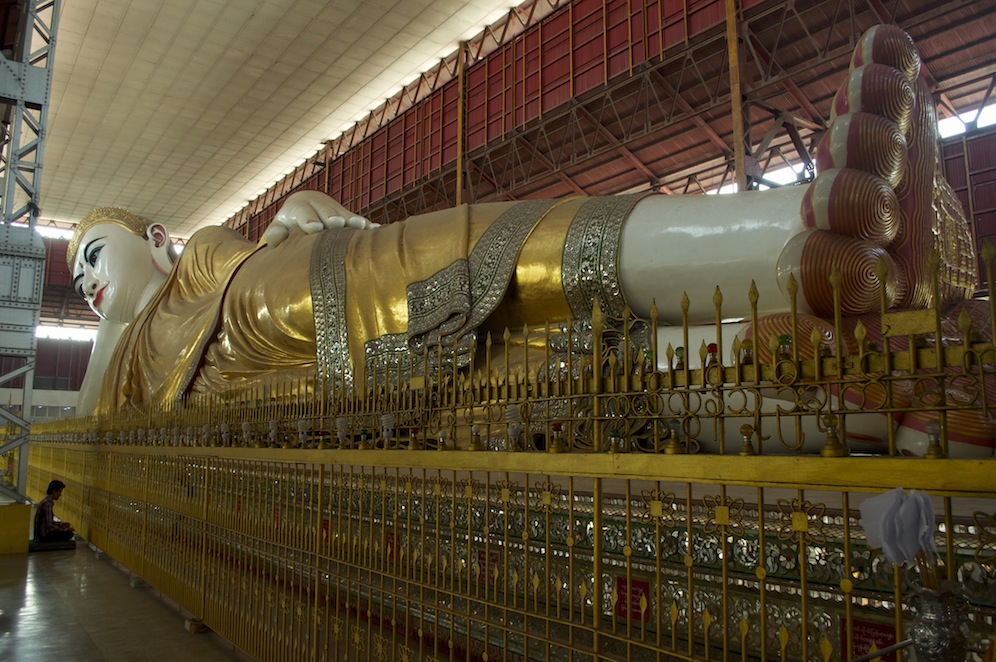
DSC_0347The original reclining Buddha, built in 1907, was in a half sitting, half lying position and was quite ugly. It was replaced, in 1957, by this much more attractive version. Lying on its left side, head propped by a hand, Buddha looks content in this resting pose. The glass eyes make its face more realistic. The robes are covered in gold leaf, and despite the fact that it is under cover, there were signs of damage to the leaf. In April of each year the gold leaf is replaced and other maintenance work done, using money collected through donation throughout the year.

The souls of the feet are pink and covered in symbols depicting the different aspects of Buddha’s life. Fortunately an explanatory chart was nearby making it a lot easier to understand.

The Chauk Htat Gyi Pagoda where Reclining Buddha is housed is also a monastery and we were able to go into it to see how they lived and to understand what their daily routine was.

DSC_0355Each morning the monks are woken at 4.00am by a wooden gong. Of the many noises which roused us gently from our sleep in the early hours, this was one close to the hotel. They breakfast and then prepare to go out into the streets to acquire alms in the form of food from the community. They carry an alms bowl into which people donate rice and vegetables. When their bowl is full they return to the monastery where all the collections are put together and a lunch is prepared to be eaten between eleven and twelve and that will be their last meal of the day. For the rest of the day they will study until retiring early for bed.

Most of the monks were still out collecting their alms so there were few in the monastery while we were there. I was surprised to see one monk smoking, clearly a cigarette he had been given rather than him buying.

In the dormitory we saw the frugal space they have with a roll mat to sleep on. They have no personal possessions; even their red habits are not their own. One monk who had already returned from his walk around the neighbourhood demonstrated how he robed up before going out. It was a complicated procedure of twists and folds and nothing more to hold it all together. He, like all the other monks we met were only too happy to chat and give us an insight into their lives.
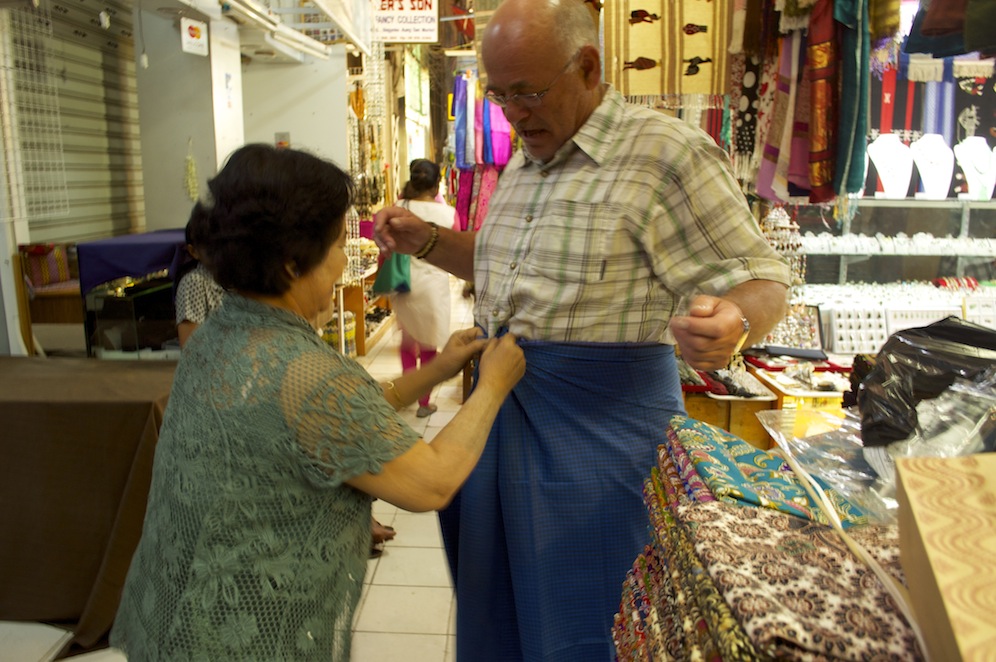
Breath in!

Breath in!

Before lunch we visited Scott Market, a tightly packed grid if small stalls selling just about anything. This was not a food market, although there were a few food related stalls, but a market devoted to clothes, household goods, souvenirs and much more. All the stall holders were friendly and, while they sometimes sought our patronage, they were not at all demanding. They were extremely easy to approach and enter into conversation with. I was amazed how good their English was. Nearly all the men, young and old, wear a longhi , a sarong like garment pulled  around the waist and tucked in. I bought one while Angela bought herself a cool to wear blouse, much needed in temperatures nudging 40 degrees in the hottest part of the day.

The hottest part of the day is the first few hours of the afternoon so after lunch we returned to the hotel for an air conditioned rest. This was to be the pattern each day.
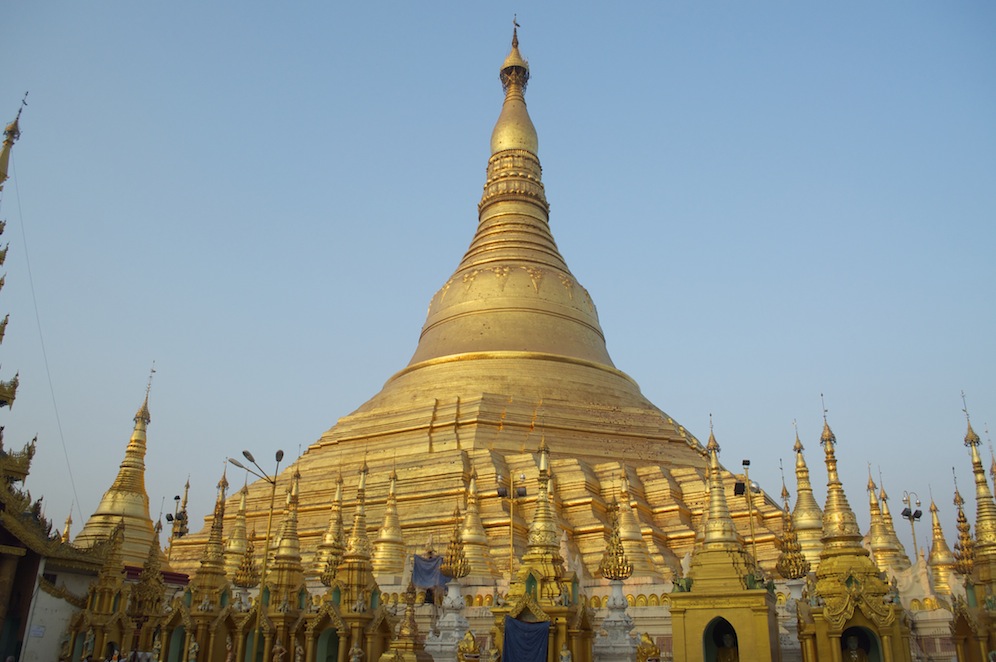
DSC_0453As the afternoon progressed and the temperatures began to ease, a little, we went to the magnificent Shwedagon Pagoda, set on a small hill not far from the hotel. This pagoda is on a par with some of the great heritage sights of the world. The central feature is the pagoda, a huge golden dome with a spire rising from its centre. It is entirely covered in gold leaf and they maintain there is about 10 tonnes of gold covering it. They replace and repair the leaf each April, a process that takes approximately four months when fewer tourists and pilgrims visit. Around its base are much smaller pagodas, similarly adorned. A paved walkway goes all the way around, on the outside of which are a great many temples where devotees prey and offer money to the various deities. It is not the easiest place to photograph as everything is very close. Sometimes you need to step back but it is impossible to step back far enough to get everything in the frame.
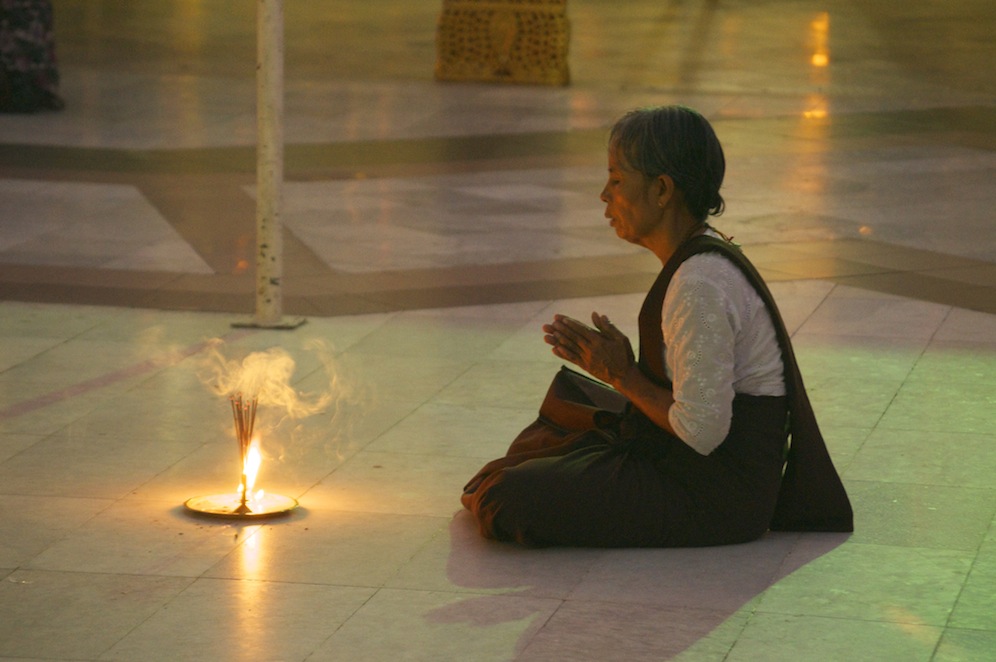
Praying devotee

Praying devotee

It really is most amazing place and you can spend much more time than we were allowing and still not see it all.

Throughout our time there the light was constantly changing as the sun sank lower in the sky casting its dying rays on to the gold leaf, adding even further richness to the colour. As the sun disappeared artificial lights took over the mantle of lighting up the pagoda and all that surrounds it. More people were now strolling around, sitting admiringly and praying. There was a fabulous atmosphere.

Apprehensive young man

Apprehensive young man

During our time there a procession came through. In the front was a man carrying a bowl of fruit. Behind him came a young boy of about twelve. The man behind held a tall umbrella over the boy’s head. Finally came assorted family members, parents, grandparents, aunts and uncles. Everybody was smiling and laughing apart from the boy who had a very anxious expression on his face. This was his last night as a normal twelve year old. In the morning he was going to the monastery to become a monk.

Shwedagon Pagoda temples

Shwedagon Pagoda temples

Our time in Yangon was coming to an end. The Garden City had been a real eye opener and lots of impressions have been shattered. The people are delightful, hard working, happy and seem genuinely pleased to see us. They are a patient people and show no aggression towards others. This was particularly apparent on the roads. There is a lot of traffic in the city and there are times of day when you cannot go far fast. There seems to be total acceptance of this fact. Despite the traffic and congestion it is quiet, apart from the bus conductors shouting out their route to potential passengers. Something is missing though. There are no horns. It is illegal to sound a car horn; caught doing so can lead to the equivalent of a $10 fine. So the streets are quiet. There is something else missing. There are no motor bikes. The government has banned motor cycles from the city’s streets to ensure they do not become more congested. It is an interesting city and I feel sure we have only scratched the surface and there is much more to see. Maybe we can explore further when we return towards the end of this trip.

Bangkok

After a fourteen hour flight from Christchurch, which included a ninety minute stopover in Sydney, I was not feeling my best when we arrived in Bangkok at one o’clock in the morning. For a start the distance we had to walk from our entry gate to immigration was as far as I have ever had to walk in an airport and then we had to endure the long queue to get our visas. By the time we had done this and collected our luggage it was 2.30am. Outside it was hot and sticky but it did not take long to find the taxi rank where we could get a pink, metered taxi to take us to The Ecotel. As soon as we had driven 100m the driver pulled over and asked if I had a map. I brought Google Maps up on my phone and found it but kept losing signal and the map. It was probably costing me an arm and a leg in data. He seemed confident as we drove quickly through the streets. I was seeing nothing in the lights of the other cars that impressed me. It seemed to be a concrete jungle. On reaching the road where the hotel was we stopped again, all confidence draining rapidly. While he wandered about, I popped into a hotel to ask the night porter if he could direct us. He didn’t know where it was but we looked closely at a map for a few minutes until we decided it was time to get back in the car, cross the main street, go down a side street and rather by good luck than good judgment we found our hotel, not on the street in the address but some way off it. By the time we checked in and found our room it was 3.30am. Remarkably the two massage parlours opposite our room were still active, or would have been if there had been any customers. Instead the girls sat at tables in the street chatting loudly, but not so loudly that it kept me awake.

In the morning, following a breakfast I really didn’t fancy we went for a brief stroll around the immediate area to the hotel. In doing so a taxi driver attached to the hotel offered to take us to see the floating market and some temples. Knowing we had such a short window of opportunity to see anything we took up his offer and agreed the 1000 Bhat fare (£30) What helped persuade us was the fact that his Toyota had air conditioning and that we would be away for about five hours. That made it sound like we were getting value for money.

The journey took us out of Bangkok and eventually into the countryside. The road was quick and we were covering quite a distance. Out in the countryside we went through an area of salt pans where workers were skimming the surface with rakes to create piles of slightly pink salt. On either side of the road were makeshift stalls selling salt in bags of various sizes.

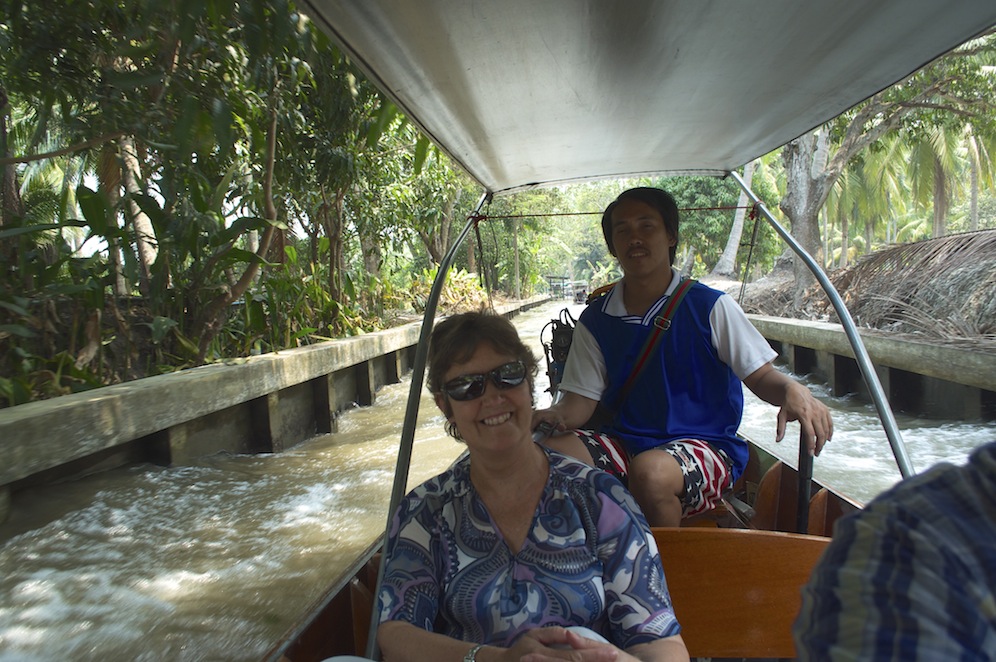
Angela with our boatman behind

Angela with our boatman behind

It took us an hour and a half to get to Damnoensaduak floating market. We still had no idea what we were in for but we soon discovered that the 1000 Bhat fare did not cover any of the entrances. There were three things they were trying to entice us with, a boat trip around the canals to the market, an elephant ride and performing monkeys. I cannot abide performing monkeys so we turned down that and I should have turned down the elephant ride as both of us have done it on numerous occasions before. However, I was caught up by the moment and agreed. The cost of the two enticements was 3000 Bhat! We were only in Bangkok for twenty four hours and I didn’t have that kind of money with me so had to pay US$130. Be warned! I sometimes think they see us coming and once they have got us hooked they play with us and milk us for as much as they can. Inside, I was annoyed with myself for succumbing to it. I have done enough travelling to know when I am being taken for a ride but sometimes it happens too quickly and it becomes too late to back away.

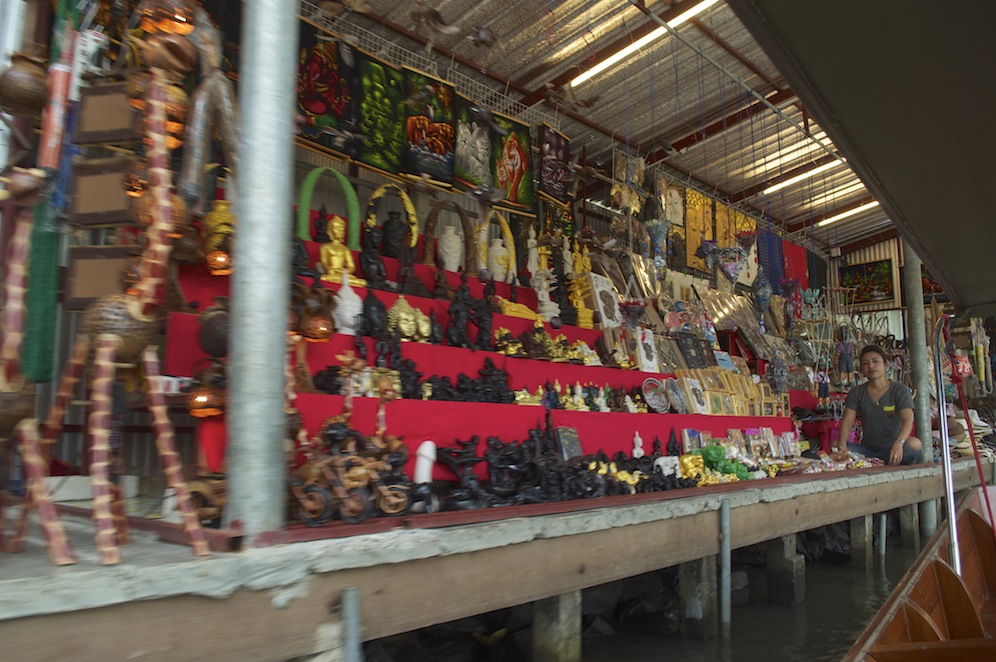
One of the many waterside stalls

One of the many waterside stalls

I am guessing that we had come to a former swamp area which had been managed into a series of canals. Our long boat with rear engine and propeller on a long shaft took us, at speed, along the canals. At first there were banana and coconut trees on either side but we soon came across stalls built at the side selling a whole range of craft items, not what I was expecting at all. I was expecting to witness from a distance a fruit and vegetable market, perhaps on a river or lake shore line, not to become part of it. Whilst I could easily have been tempted to buy many interesting artefacts, I resisted and only bought a bunch of bananas, far mor than I needed but there was no negotiation. None if these early stalls were floating but were structures built at the side of the canal but as we delved deeper into the network of canals there was much more water traffic. Women paddled their canoes loaded with a variety of fruits and vegetables. Some were even floating kitchens with gas cylinders fuelling a small stove churning out noodle and rice dishes on paper plates. There was a lively atmosphere, particularly around the central hub where there were many small eating outlets.

Whilst our canoe had to carefully negotiate the right angled bends in the canal system, it could pick up a lot if speed on the straight sections. Occasionally caution had to be considered when the backwash from the sides, particularly in the narrower sections, made the water quite choppy. Along the route were the houses these canal dwellers lived in. While quite basic in many respects they were often festooned in colourful flowers growing profusely in the hot moist conditions. Hanging underneath a canopy there would always be a narrow boat suspended above the water.

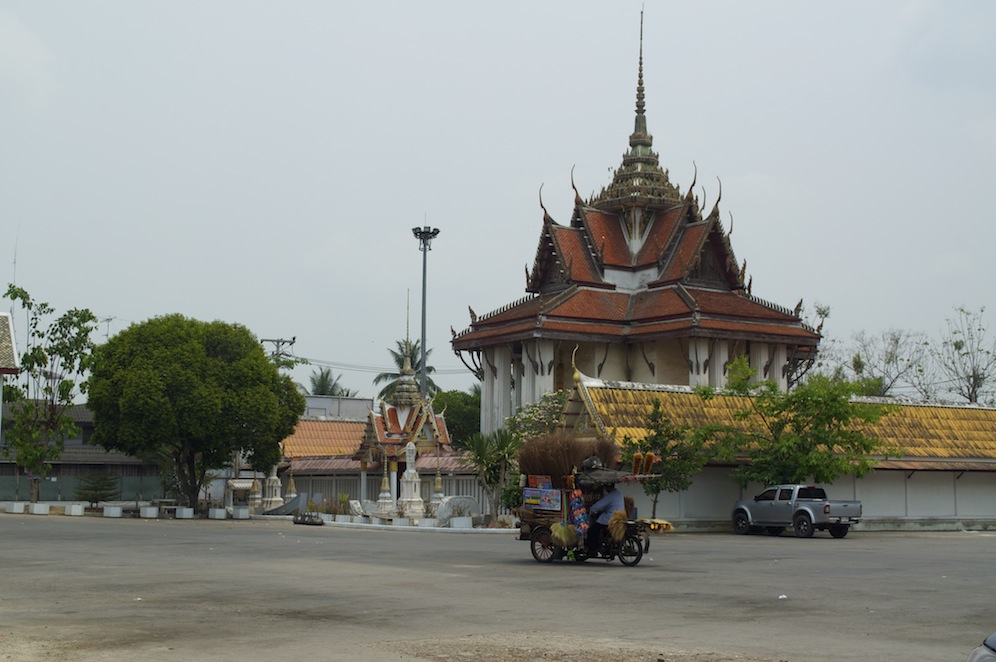
DSC_0210Stopping off, we visited a temple where extremely loud music from a bank of speakers was booming out. There was a private party in one if the halls. The main temple we could go into but I was disappointed in the commercialism within and the profusion of donation boxes. There were several statues of Buddha covered with loosely attached gold leaf with edges sticking up and making them look as if they had a serious skin disease. It was all a bit tacky. The third temple was almost derelict and clearly not in use. It was much more interesting as there were no people around. We were enjoying wandering around the outside when we disturbed the local pack of dogs who came barking towards us. We made a hasty retreat closing the gate behind us so that they could not get at us. A bit scary!

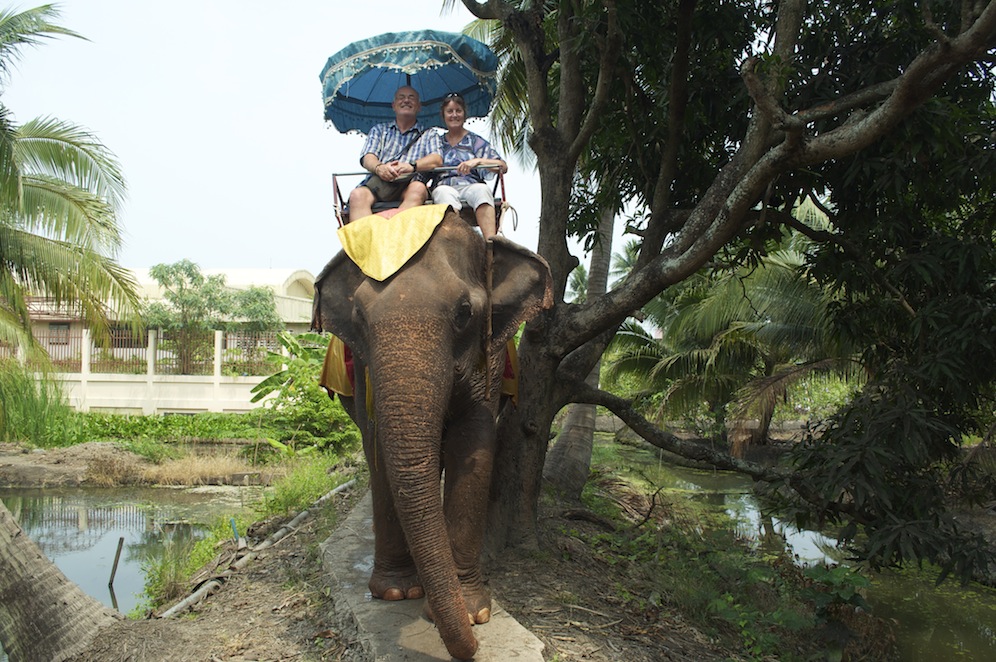
On our elephant

On our elephant

Back in the boat we went the see the elephants and take part in a short elephant ride. Having done this several times and often found it to be uncomfortable, this was much pleasanter as we were in forward facing seats. It was a short lived experience and not worth the cost. They do seem to have it all sown up here because from the same place we could have hired quad bikes and gone off through the swampy land on a quad adventure.

Wherever we went, either on the boat or on the elephant there was somebody taking our photograph and when we alighted there was a presentation set for us to buy. It looked really tacky and we declined each opportunity to buy.

Back at the start we had a bite of late lunch from a roadside restaurant before heading back to Bangkok.

Chanting devotees

Chanting devotees

Back in town we visited a multi-layered temple with rhythmic chanting taking place. It is easy to become entranced by it as the sound echoed from the walls and ceilings.

Before we returned to our hotel our driver insisted on taking us to an emporium where he would have a coupon stamped allowing him five litres of fuel if we bought nothing, ten if we did. Inside we first passed through a workshop where jewellery was being made before going into the showroom where we could spend up to £1,000,000 on a piece of jewellery. Although Angela deserves it the account could not quite run to that, but we did buy a few small items so that our driver got his 10 litres of fuel.

In the evening we ate at a restaurant close to the hotel, a superb whole sea bass shared between us before retiring for an early night as we had to be up at 4.30am for our early morning flight to Yangon.

Sleep went well for the first few hours but once awake the noise from the partying massage girls across the road prevented any worthwhile sleep. They were still at it when our taxi drew away from the hotel at 4.50am.

Bangkok. While we only spent a few hours there, left an impression upon us. It is a city that never sleeps and tries its utmost to prevent those that want to from doing so. It is a city of flyovers. I have never seen so many and as we took off and looked down on to the road network below all levels were chocked full with slow moving traffic. It is a city where the reliance of the car is emphasised with the number of garages, sale rooms and car related businesses dominating. It is a city where Tesco has firmly got its foot in the door in partnership with Thai company, Lotus. It is a city of grey concrete covered in black mould from the hot humid atmosphere. It is the city of the high pitched voice that sounds as if people are arguing when, in fact they are enjoying themselves. It is the city of pink taxis. It is the city of good food and fabulous flavours. It is the city of smiles. It is a city to experience briefly and then escape from.

Christchurch

For our last evening in New Zealand we visited some friends from the UK who emigrated four years ago. Their house was badly damaged in the earthquake and when we visited them two years ago they were in rented accommodation awaiting the repair work. Two years on they are living in a cabin in the garden and the only progress is that the house has been condemned. Liquifaction has made the ground too unstable and piles would have to be sunk 13m for there to be any stability. The cost implications are not worth considering. Eventually, once all the insurance issues have been sorted the house will be pulled down, the ground made stable, and a smaller house built on the site. The cabin will then be moved. Where? They have bought a six hectare vineyard north of Christchurch and the cabin will be guest accommodation. Exciting times lie ahead for our friends.

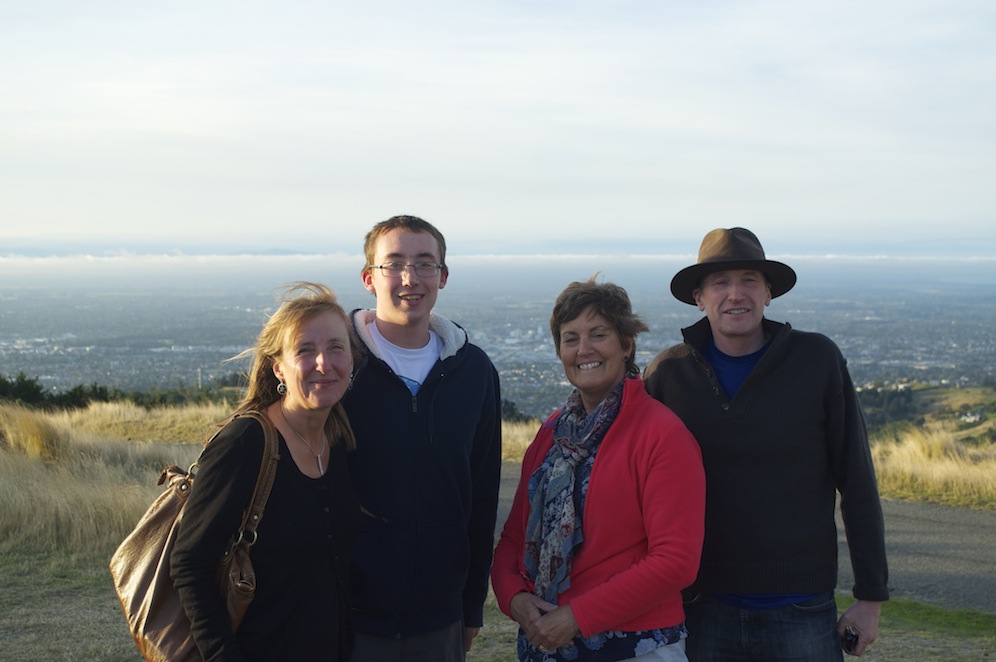
Angela with the Richardsons with Christchurch below and the Southern Alps hidden in cloud

Angela with the Richardsons with Christchurch below and the Southern Alps hidden in cloud

In the evening we drove over to some hills that separate Christchurch from Governors Bay and Lyttleton Harbour. The roads are far from perfect and there are engineering projects going on just about everywhere. In the earthquake all the drains and sewers were fractured. Water pipes were split and all the things which we take for granted were disrupted. Often, the road surface dropped while things like drain covers and manholes were pushed up. Drivers have to be aware of these hazards all the time. Climbing to the top we were given fabulous views either side. Inland we looked over the city towards the mountains beyond. Unfortunately a layer of cloud prevented us from seeing the snow capped peaks of the Southern Alps. Looking the other way we looked down on to Governors Bay, Quail Island, Lyttleton Harbour and over towards the hills of Banks Peninsular and Akaroa. The waters of the bay had the smokey blue waters we have become so accustomed to.

Descending the hill we adjourned to the pub for dinner.

Our last morning dawned cloudy. Having packed and loaded the car ready for the airport, we took the bus into town. Last time the central square mile was cordoned off but now it is all much more accessible. I guess being able to see the devastation at close quarters guaranteed I would feel quite depressed at the lack of progress. Some work has been done. New hotels are up and running along with garage sale rooms, all franchises with corporate money supporting them. Sadly, that meant that there were a huge number of buildings and businesses which had seen no progress in the last three years. Beyond the 185 people who were killed so many more lives and livelihoods have been ruined.

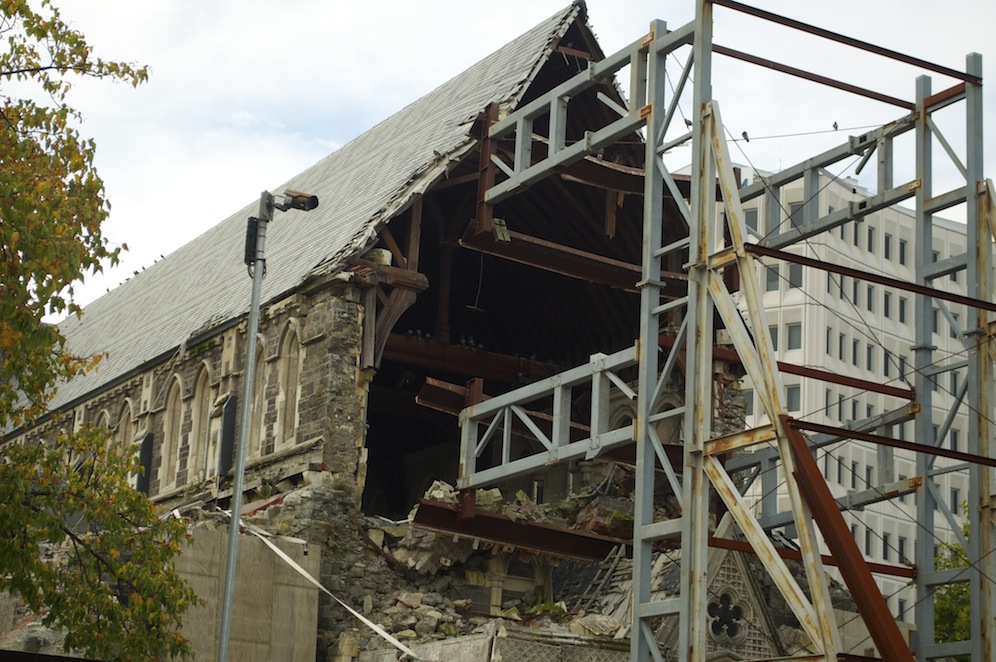
The ruins of the cathedral

The ruins of the cathedral

The one building we have heard most about is the cathedral, the tower of which collapsed in the quake and caused a fair proportion of the fatalities. Nothing has been done other than to shore up the remainder of the building while decisions are made. The building as it shakily stands is not safe and to make it safe would cost a fortune. On the one side are the practical minded who want it pulled down but on the other side there are a great many emotional people who want it either restored or left as a monument of remembrance. In the meantime it stands as a sad reminder getting sadder as time and nature gain a hold on it. It is really quite a depressing sight.

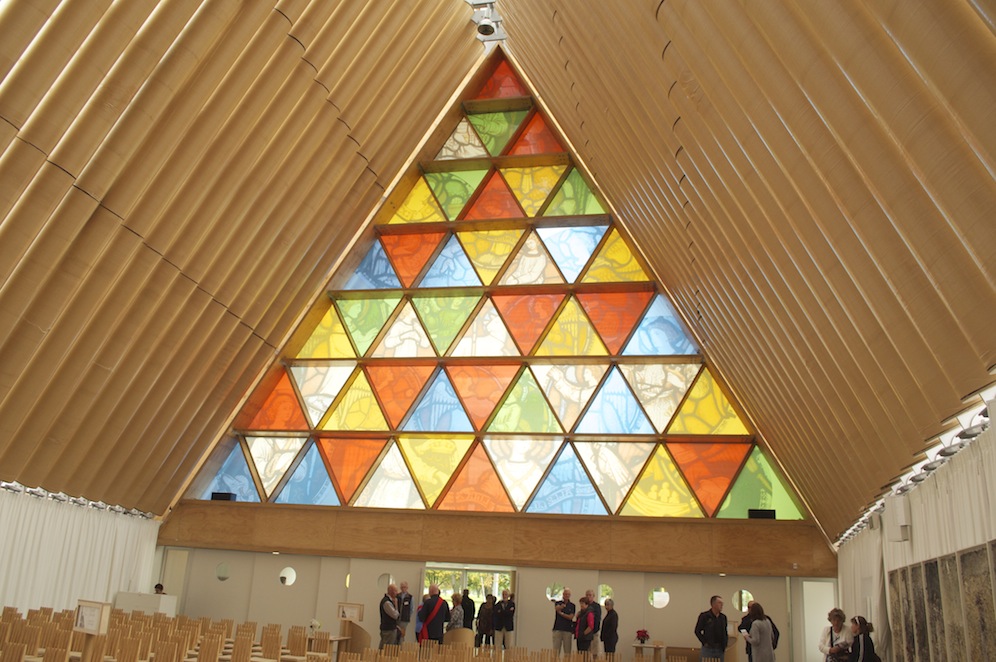
The interior of the new cardboard cathedral

The interior of the new cardboard cathedral

On a more positive note, a little way away, is a new temporary cathedral made of cardboard. It is a remarkable building full of light, hope and promise. It is made of a series of cardboard tubes with steel rods up through the middle. The rods are flexible and there are three tubes per rod also allowing for movement and flexibility. Indeed there are signs of movement in the joints between the tubes. Over the top, at a very steep angle, matching that of the tubes, is a perspex roof, again flexible but also allowing a lot of light to enter the building. At one end virtually the whole of the triangle is made up of stained glass or a modern equivalent. The pulpit, the font, the Lady Chapel, the choir stalls are all made of cardboard tubing, although smaller in dimension but resembling the tubes used by carpet manufacturers.

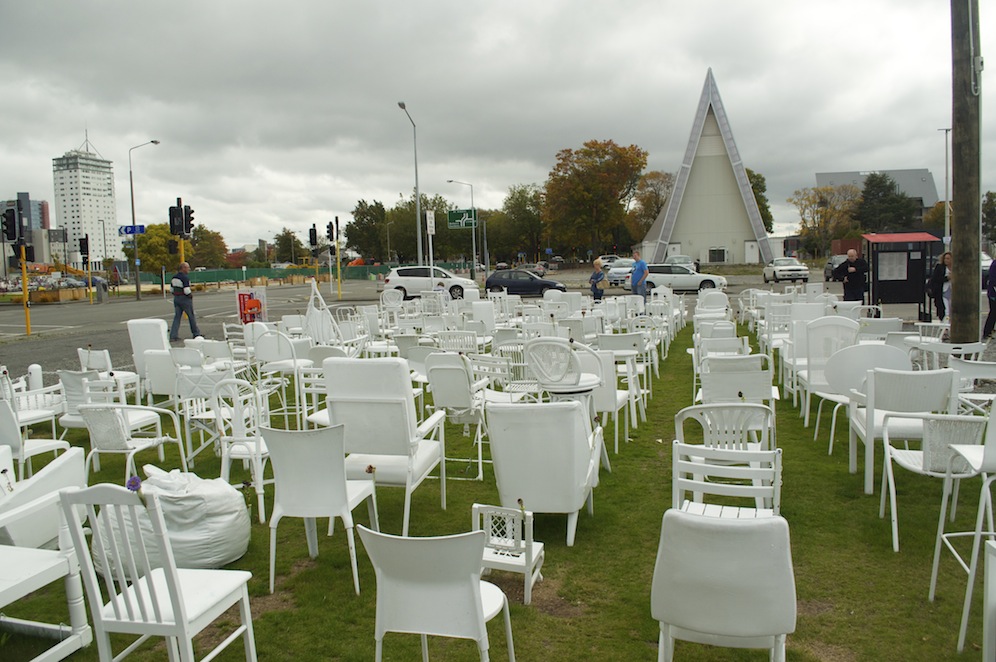
DSC_0169Dotted around the city are a number of art installations, vast end walls, now exposed, with colourful pieces of artistic work. Some are better than others, but the one that hits home the hardest is a display of 185 white chairs of all shapes and sizes,including a baby’s carry chair. Each one represents a loss. people are invited to sit in them and contemplate. Where it hits hardest is, if, in your mind, you replace each chair with a person you begin to understand and appreciate what 185 looks like in reality.

Container outlets

Container outlets

Many sites, where buildings have been demolished , are now car parks, although not many cars seem to occupy the spaces. Considering it was a Saturday morning the centre of Christchurch was eerily quiet. Many of those we saw were tourists, like ourselves, moving quietly from one devastating scene to another. The people of Christchurch seem to restrict their presence there to specific places, the new shopping mall and the many container coffee houses that have sprung up in an effort to bring some life back to the city centre. These are remarkable structures, linked together like Lego to make up an interesting 3-dimensional building. Some shops, in order to get back on the street have copied the style and it makes for some interesting buildings, even if they do turn out to be temporary.

The cinema

The cinema

For all the positives there are negatives to both depress and shock. Part of the High Street, cordoned off, has not changed since the day of the earthquake and the cordons were put up. Another building, once a cinema, shows the seats, littered with debris, looking out on to the devastation where the screen had once been. Nothing has been done to these buildings and many others like them and you have to ask yourself, ‘How long will all this take?’ It is a huge project and one that will last for many years to come yet.

I was pleased to catch a bus to take me out of the city centre and away from the scene of destruction and human misery, despite the fact that it would mean that I would have to go to the airport and leave New Zealand. We have had an awesome time, done and seen so much. With the exception of the scenes in Christchurch, there is not a bad view in New Zealand. It has everything anybody could wish for. There is such beauty here from dramatic coastlines, majestic mountains, stunning waterfalls, fascinating wildlife, a great climate that can be extreme at times, adrenalin activities, peace and quiet, and of course we have family and a beautiful new granddaughter who will entice us back time and time again, I hope.

Heading West and Back

With high pressure sitting firmly off the west coast of South Island and another off the east coast of North Island, the weatherman on TV was giving very positive information about the weather over the next few days. Two years ago we wanted to go to the Franz Josef and Fox Glaciers but the weather was so poor it was not worth the effort of getting there. Our plan initially was to just go to Hokitika to look at the gorge but If the weather remained good we might venture as far as the glaciers.

With such positive news we left Hanmer Springs while cloud still haloed the peaks but with the promise of another hot day. As we headed west any cloud was replaced with crystal clear skies. This was short lived as we descended from one range into valley mist before climbing once more into sunshine.

The town of Reefton might only be quite small but it was the first place in the Southern Hemisphere to install street lighting. Clearly the residents are proud of this claim to fame.  We were passing through at midday and all the street lights were on. It is a shame that the installer never worked out how to turn them off.

As we crossed the next, coastal range of mountains more cloud greeted us and remained with us all the way to Westport. The weather man got it wrong, a layer of cloud obscured the sun they promised. The approach through the Buller Gorge was impressive.

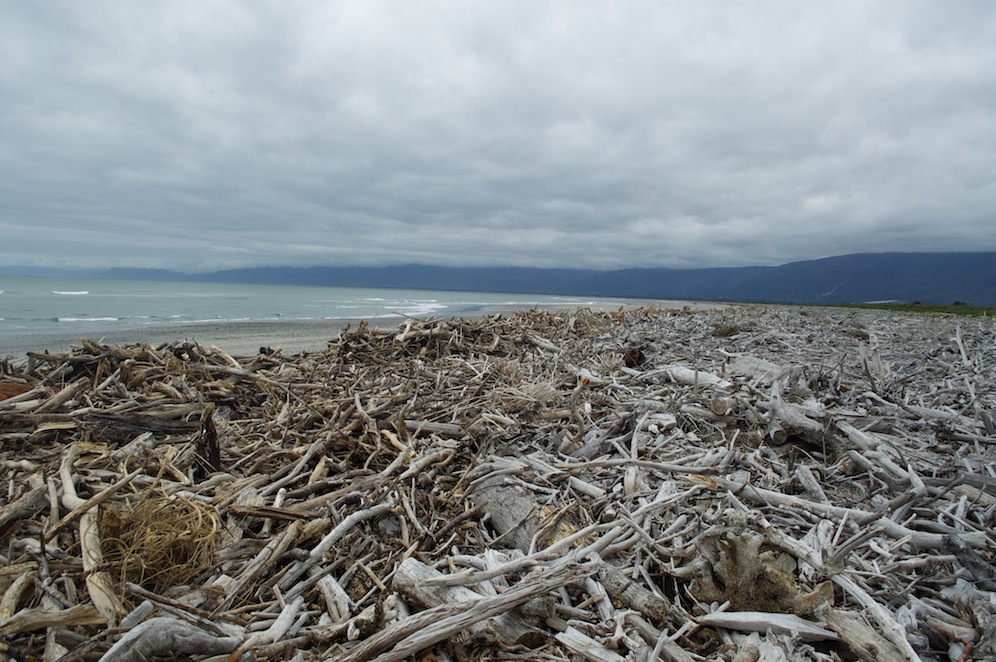
Wood debris on North Beach, Westport

Wood debris on North Beach, Westport

Westport, population 6000, is not the most attractive town in South Island. It’s origins are from mining, first for gold and then much more successfully for coal. The only building with character is the Art Deco influenced civic building. Exploring the surrounding area we visited North Beach first. Rather worryingly a sign on the approach said that firearms and search lights were not allowed on the beach. Does that mean they are allowed in the town? Not a soul could be seen, perhaps for fear of being shot. However the grey sand was not particularly attractive but what covered the upper part of the beach made access difficult; wood debris from tree trunks to branches to twigs were piled up around the high water mark. Incredible to see but not to sit among.

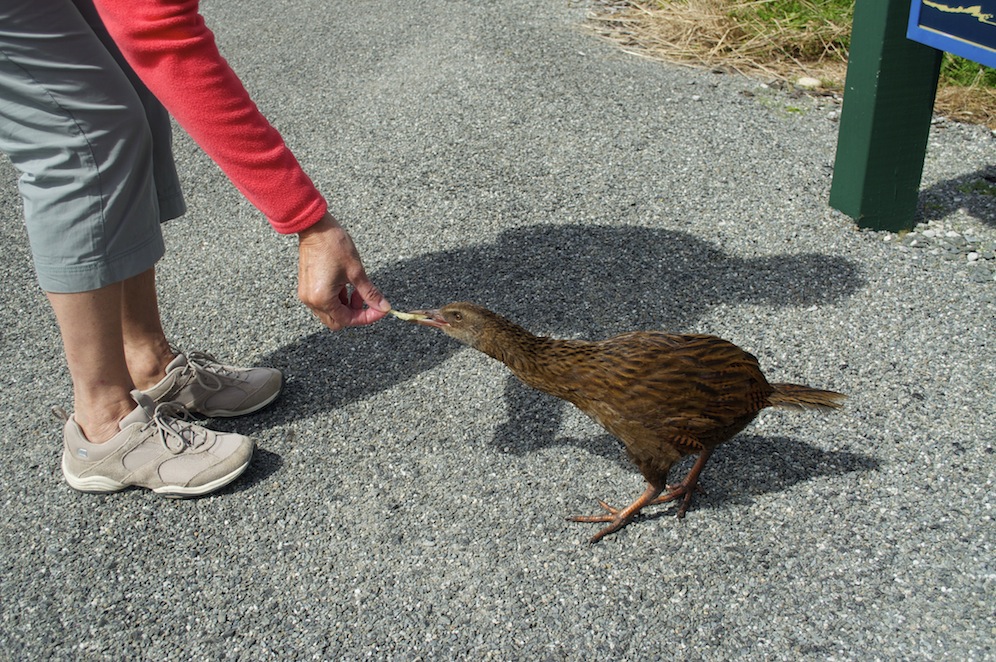
A Weka

A Weka

On the southern side of town we went to Cape Foulwind, an exposed headland with a lighthouse to warn passing shipping. This provided us with our first encounter with a Weka, a flightless bird with absolutely no fear. At Cape Foulwind car park one came running up to us in search for food. I know we shouldn’t feed them but we were just eating a few crisps before we went up to the cape and before we realised what we were doing the Weka was taking crisps from our fingers. It is so enjoyable when nature comes so close to you and has no fear.

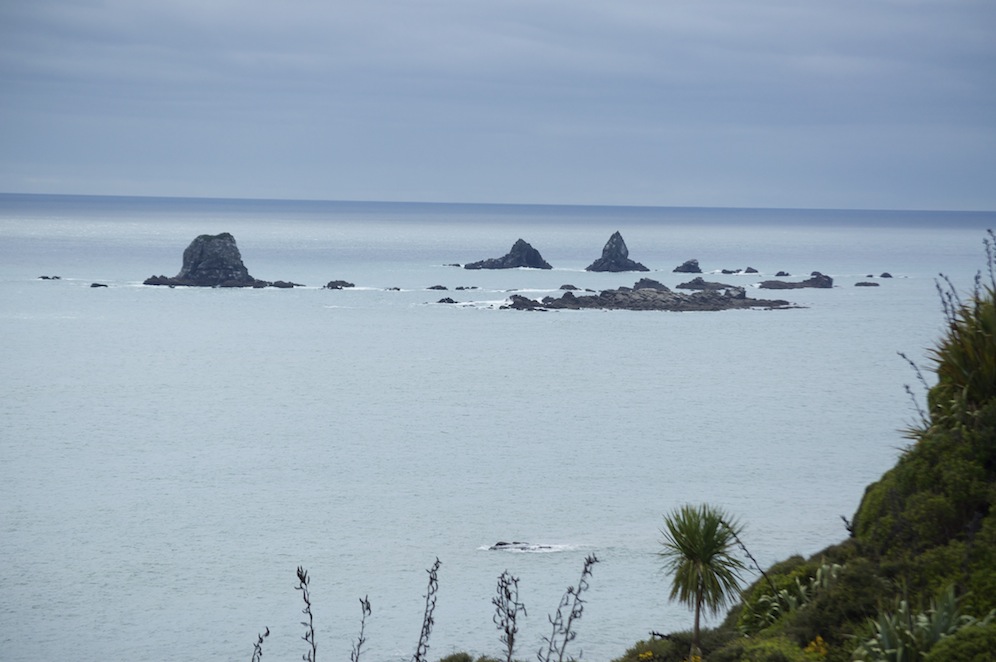
The pinnacles off Cape Foulwind

The pinnacles off Cape Foulwind

Off shore pinnacles of rock jut out of the water like teeth. Remarkably, only one tragedy has occurred.

Just round the corner from the cape is Tauranga Bay with an excellent restaurant on the southern side, where another Weka hovered by our feet in the hope of a chip or two, while on the northern side there is a seal colony . Between, surfers endeavoured to improve their skills.

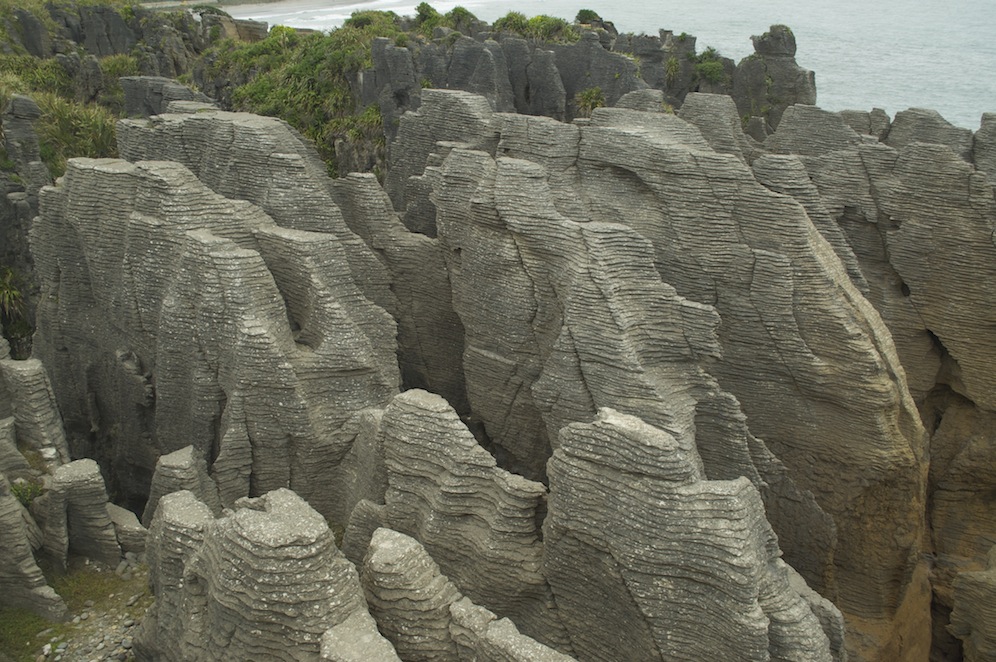
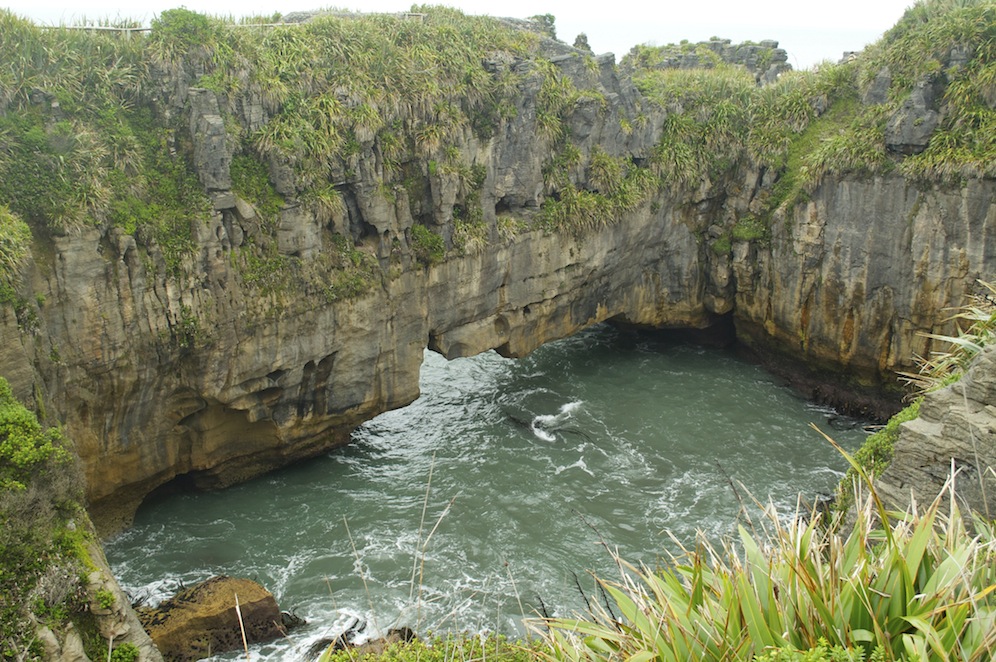
Having settled into our accommodation we headed south for 60km to Punakaiki and the geological marvel of the pancake rocks and blow holes. The drive along the coast is superb with towering limestone, forested cliffs above us to our left and a rugged coastline to our right. Our aim was to get there for high tide and sunset in the hope that the combination of the two would produce some fabulous pictures. The rocks are superb. Having risen from the sea millions of years ago water, wind and the action of the sea has eroded them into fantastic shapes. The pancake appearance is because the rock is made up of layer upon layer like a series of contour lines.

Pancake rocks

Pancake rocks

A walkway leads you from one dramatic scene to another. All around and beneath us the sound of the sea working away at the rock could be seen and heard. Occasionally a great whoosh indicated trapped air in a blowhole but the tide was neither high enough or rough enough for the spray to come to the surface.

We were rather too early for high tide so we killed time by visiting a nearby Speights bar and restaurant for a drink. It was obvious that we were not going to get a sunset but I was still hoping for a blowhole display. The bar was run by three women who although friendly I would be reluctant to cross. They had a used look about them as if they were the offspring of gold prospectors or pioneers. Although friendly, I guess they would stand no nonsense.

Beautiful but not dramatic enough

Beautiful but not dramatic enough

Returning to the pancake rocks for high tide I was disappointed with the lack of action. The combination of a low high tide and a relatively placid sea meant that there would be no blowhole activity beyond a few teasing whooshes. Although disappointing, the pancake rocks are  a fascinating spectacle and well worth a visit.

Back at the pub, this time for a meal, one if the women told me that to get the full display you need the highest tides combined with strong winds and a big swell. Everything had been against us, including the lack of a sunset.

On the return 60km drive to Westport I suggested Angela and I had a competition – guess the number of cars to pass us in the opposite direction – the loser making the tea when we got back to the motel. It was only 9.00pm so there was a good chance that there would be a few out and about. Angela suggested 10, me 8. Remarkably we were both significantly wrong, we saw 3! Angela made the tea. This exercise just highlights how quiet New Zealand roads are and what a pleasure it is to drive on them.

The next morning, with the promise of reasonable weather, we decided to change our loosely devised plan and drive to Franz Josef to have a look at the glacier. The forecast was not too bad but there was no guarantee that it was going to be as good as they said. It was worth the try. Our plans to visit Franz Josef and Fox Glaciers two years ago were thwarted by bad weather so we were hoping for better this time.

Retracing our steps of last night we continued beyond Punakaiki to the dismally named Greytown. It is not quite as dismal as it sounds but we had little inclination to linger there.

DSC_0036The next town was Hokitika. Here we deviated and took a 30km inland detour to have a look at the Hokitika Gorge. The drive took us across a flat plain of agricultural land dotted with small farms, none of which looked terribly prosperous. The flat plain gave way to cloud shrouded hills, which, if they were properly visible, would be mountains. Where the Hokitika River emerges from the mountains it has cut dramatically through the limestone. The combination of glacial silt and limestone has turned the water a beautiful blue.

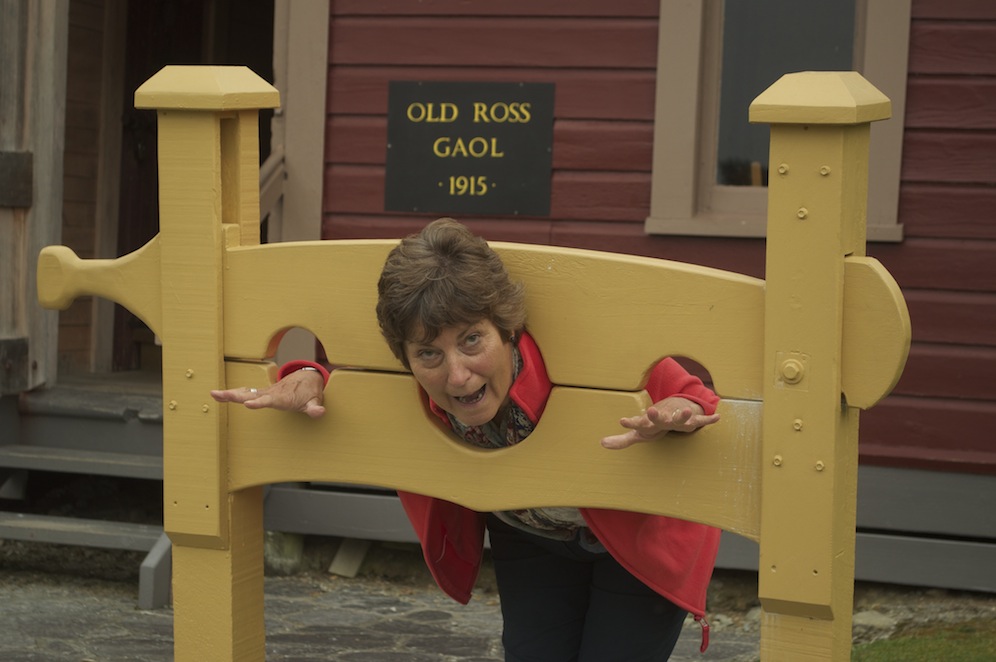
Angela knows her place!

Angela knows her place!

Returning to the main highway we continued our journey south, stopping again at the small gold rush town of Ross. Ross came into being in the 1860s with the discovery of gold and the population quickly grew to 2500. But it didn’t last and now the population is less than 300. Ross is proud of its heritage and the village is a living museum to the days if the gold rush. A series of trails take you to a number of mines or gold related sites while the town has a number of restored buildings. Those buildings which have not been restored, like the Roddy Nugget cafe, named after a 3.1kg gold nugget found in 1909, are an insight into Ross life. The back of the cafe had  been turned into a museum displaying anything related to motorbikes, household goods and farming implements, a real treasure trove of rubbish. It appears not to be the only place like it.

On reaching Franz Josef we ventured up towards the glacier and climbed the small hill, the Sentinel, for a good view. At least that is what we should have had had the cloud not almost obliterated it from view. There was a hint of a glacier but nothing more. We returned to the village, a typical mountain resort, in the hope that the morning would bring clear skies.

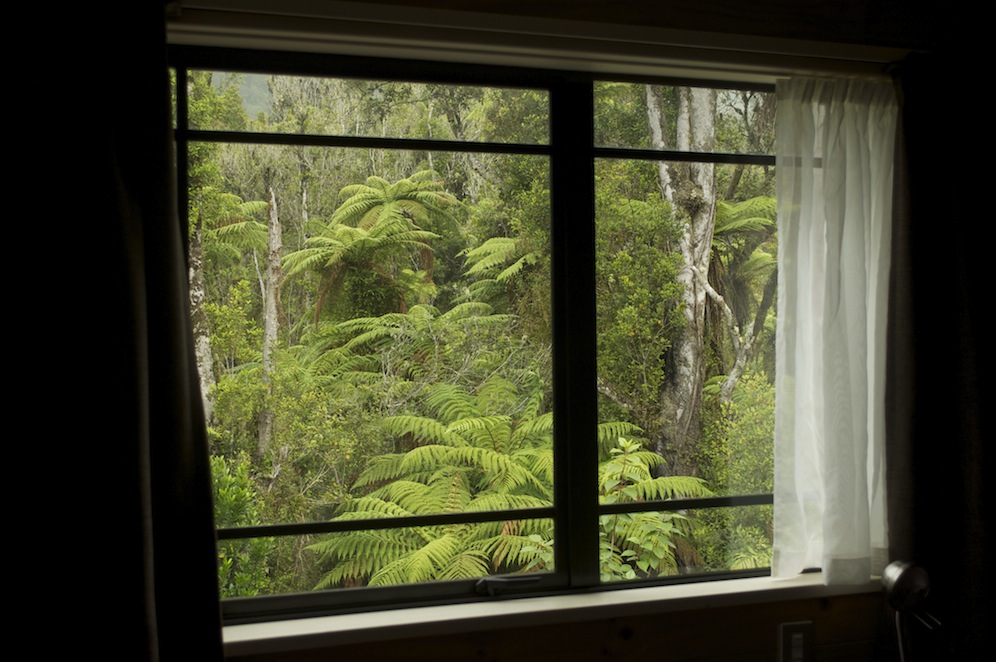
Rain forest view

Rain forest view

Our accommodation for the night was the Rainforest Retreat, a series of cabins set amongst a forest of indigenous trees and ferns. The outlook from our cabin was stunning, a great picture of greenery and lushness. Despite being very busy, full of lively young people, mainly Americans, it was easy to lose them in the jungle. What was difficult to marry together was tropical rainforest with glaciers.

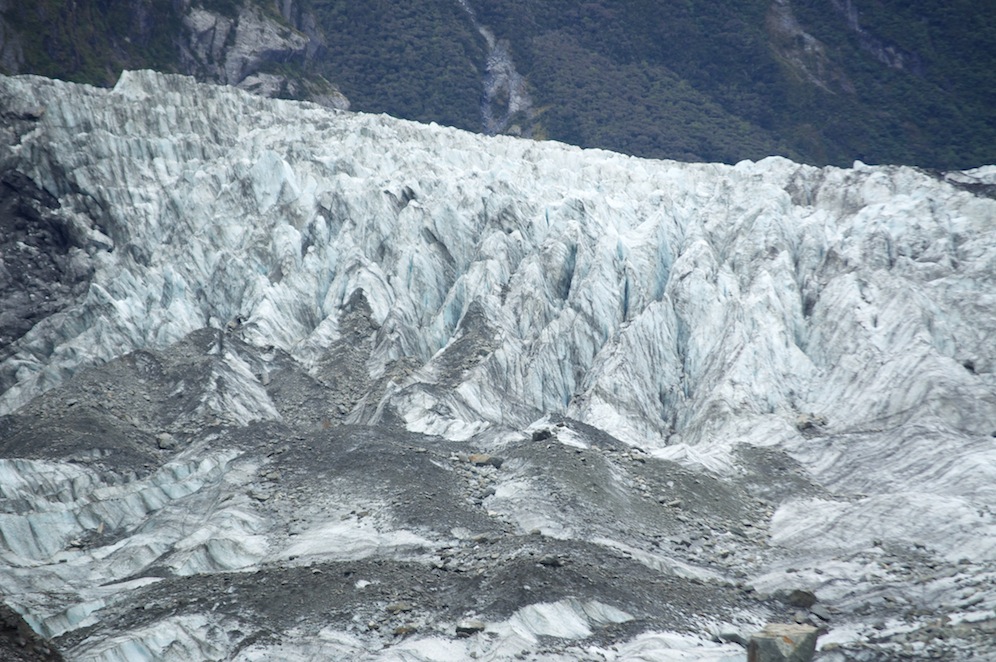
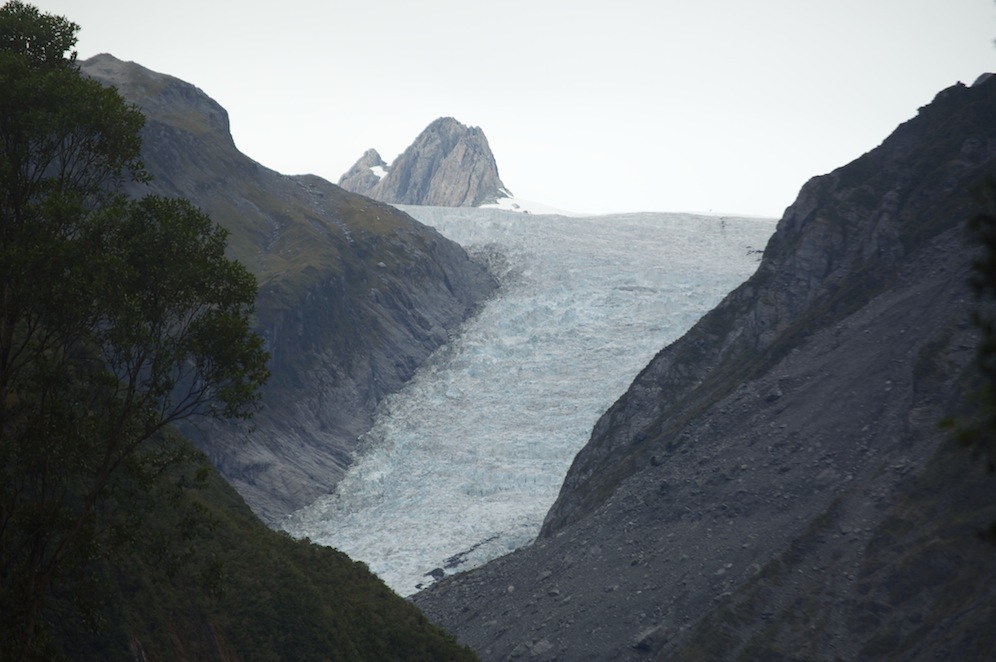
The Fox Glacier

The Fox Glacier

The morning dawned clear, so we quickly packed, and instead of returning to the Franz Josef Glacier, drove further south to the supposedly more spectacular Fox Glacier. It proved successful, the skies remained clear and good views were had. From the snout of the glacier a work team was cutting steps for the various groups who were to spend time on a guided tour on the glacier, making it easier for them to gain access to the ice. As we descended from our view point a couple of groups were heading in that direction.

All the time there was a constant droning noise from the air above as helicopter after helicopter flew over to take people up to the higher parts if the glacier and to view Mt. Cook, making the most if the good weather before the cloud returned and grounded the craft.

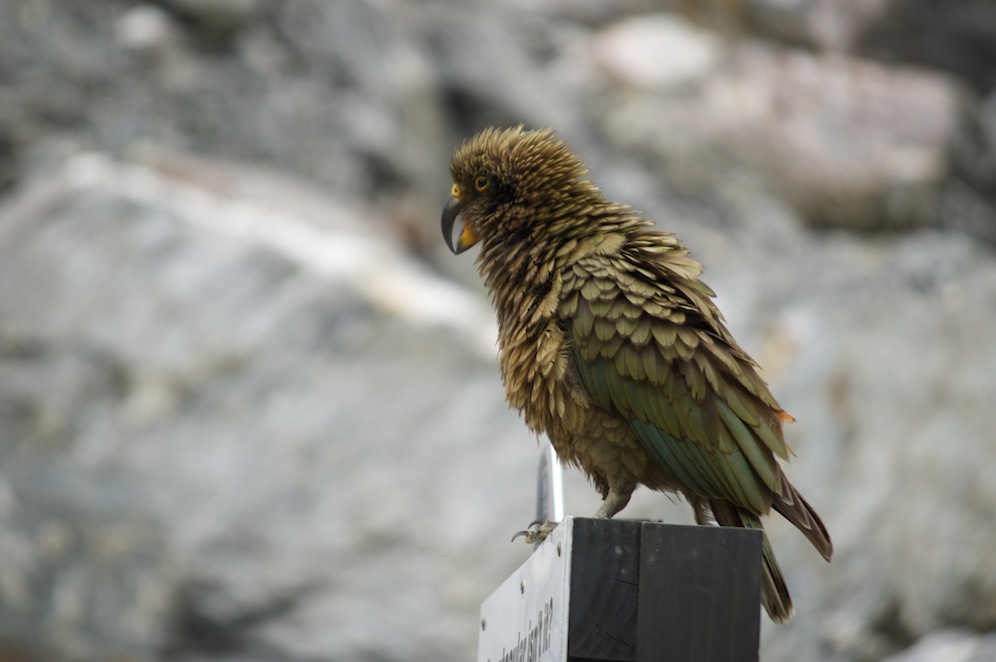
DSC_0075Also at the viewing point for the glacier was one of my favourite birds, the Kaka. It is a New Zealand parrot with a great sense of mischief and fun. They have little fear of people and will investigate anything left unattended. While there somebody put their wind proof jacket on the ground and while his back was turned the Kakas went through its pockets. It was as much fun watching them as it was looking at the glacier.

It was a wise decision to look at Fox Glacier as cloud began to build and by the time we returned to Franz Josef the glacier was largely obscured.

Fox Glacier

Fox Glacier

Once these glaciers flowed all the way down to the sea. Since then they have receded a great deal as the coast is now 19km away. While this recession has been happening over a long time, there has been an acceleration over the last century.

Our time in New Zealand is rapidly coming to an end, so having made our flying visit to the glaciers we now retraced our steps by heading north to turn inland just north of Hokitika for the climb to New Zealand’s highest road, Arthur’ Pass.

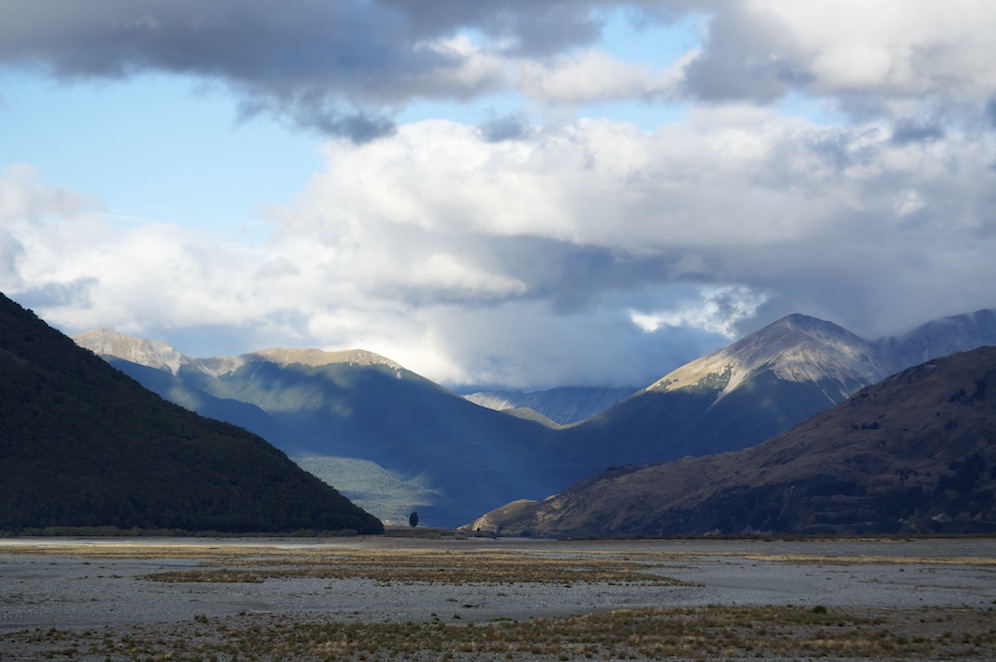
Looking east from near Arthur's Pass

Looking east from near Arthur’s Pass

As we passed over the summit the grey cloud broke up, the light drizzle ceased and the sun broke through. It is often like this with the moist air from the sea forced up over the mountains. This is why the west coast of South Island often experiences much worse weather than the rest of the country. This side of the range is suddenly much less forested with large hillsides of open pasture and rock with just the occasional patch of forest. The river valleys are also much wider and flatter on this side of the range with gravel beds and braided rivers.

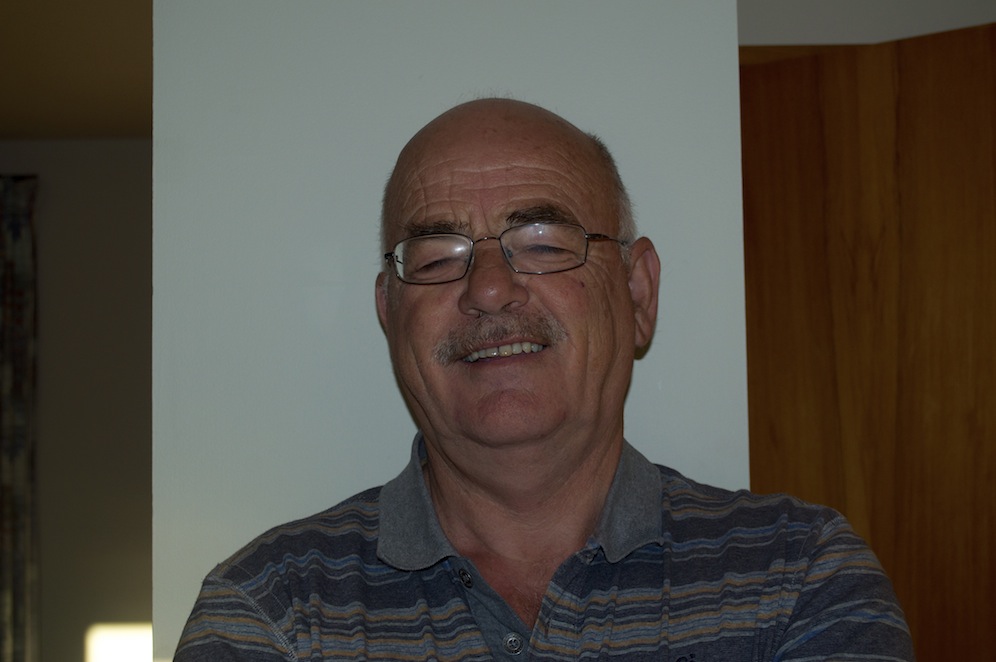
DSC_0108We were staying in the Bealey Hotel for one last night in the mountains before heading for Christchurch and our flight out. With a little time to kill I decided to tidy up my beard with a dry razor blade. I made such a pig’s ear of the job that I had to go the whole hog and shave it off completely. It took four razors to remove something that has been sprouting from my face for the last 24 years. Even when I played a pantomime dame I kept my beard. I kept the moustache, for now. Angela couldn’t stop laughing every time she looked at me. I hoped it made me look younger but now jowls are exposed and the youngish face that disappeared behind facial hair all those years ago is no longer! I look like my dad!

A fly's head or an elephant?What do you see?

A fly’s head or an elephant?
What do you see?

After breakfast on our last full day in New Zealand we drove to Christchurch. On the way we stopped off at Castle Hill, a ridge of sculpted limestone. Clambering amongst the rocks you were able to see a variety of shapes, which captured the imagination. One rock from one side looked like a glove puppet while on the other Angela thought it looked like an elephant while I thought it looked like an insect’s head. Nature’s art had created something much more impressive than a Henry Moore.

We arrived in Christchurch in glorious sunshine ahead of the forecast ‘once in a hundred years’ storm that is due to hit New Zealand just after we have left tomorrow. Didn’t they have one of those storms a couple of weeks ago? I think the blowholes at Punakaiki will be impressive on Sunday.

Hanmer Springs

The drive from Kaikoura to Hanmer Springs passes through some very pleasant countryside with mountain range after mountain range, the higher peaks streaked with snow from the recent storm. We took a slight detour to explore the Mt. Lyford ski area but there was very little to see other than a lot of sections for sale and magnificent log cabins in those sections that had already been developed. Dropping out of the mountains we crossed the Waiau river basin before entering another mountainous region on the approach to Hanmer Springs.

Hanmer Springs region from Conical Hill

Hanmer Springs region from Conical Hill

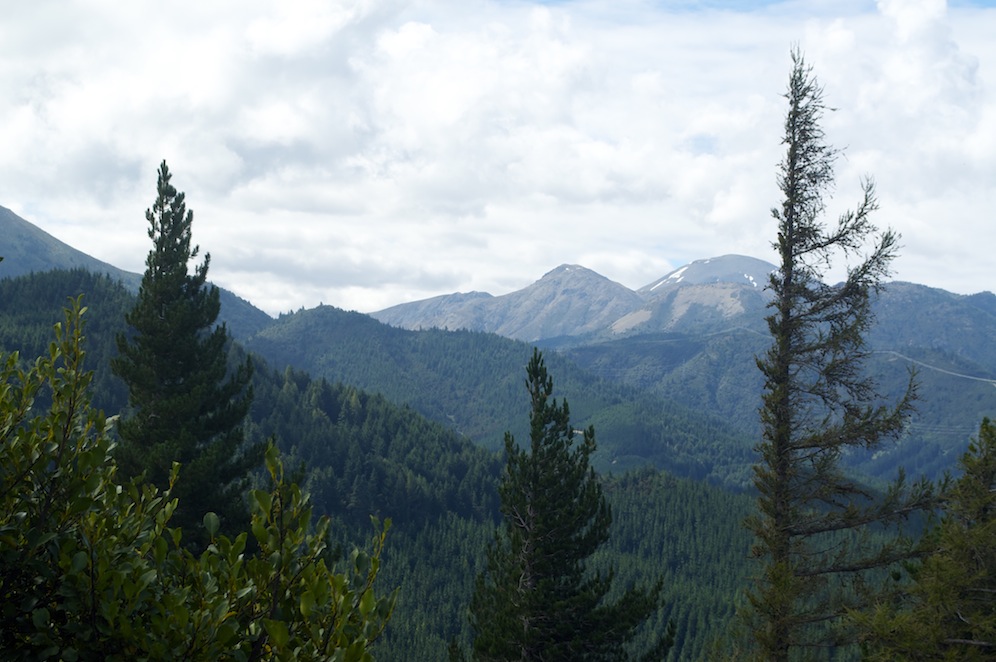
Hanmer Springs is a pleasant little town at the head of a valley surrounded by a wall of mountains, the main peak being Mt. Isobel (1342m). Large areas of the slopes are covered with plantation forests, others with traditional forests indigenous to New Zealand and more as open grazing pasture, now parched after the dry weather of recent weeks. There are numerous things which draw people to the village. Walkers and mountain bikers enjoy the mountains in the summer, skiers flock here in the winter when the slopes are covered in deep snow, adrenalin seekers come for jet boating, white water rafting and bungee jumping among other similar activities. What draws people at any time of year are the hot springs in the centre of the village. A series of thermal pools with temperatures ranging from the mid thirties to low forties all containing therapeutic qualities. Attached to the centre is a spa where, for a fee, you can book various treatments to remedy ailments, rejuvenate or simply to give yourself a little pampering.

We booked a two day pass and enjoyed some time venturing from one pool to another and people watching. There were a lot of people of a certain age.

In the evening we ruined everything we had tried to achieve in the pools by eating a superb Indian meal at Malabar.

Tho following morning we pottered around the village before climbing Conical Hill overlooking the village. The bulk of the climb is on a winding path through a plantation of Douglas Firs. They clear for the summit affording views of Hanmer Springs and the surrounding countryside.

Afterwards, while Angela enjoyed the pools again, Stephen and I drove a few kilometres out of town to the Thrillseekers centre where we were going to go jet boating. It was quiet. Nobody was taking the plunge from the bridge over the Hanmer River and there was an end of season feeling about the place. Judging the age of the majority of people enjoying the pools, there were not many who were either young enough or inclined to participate in any of the activities on offer.

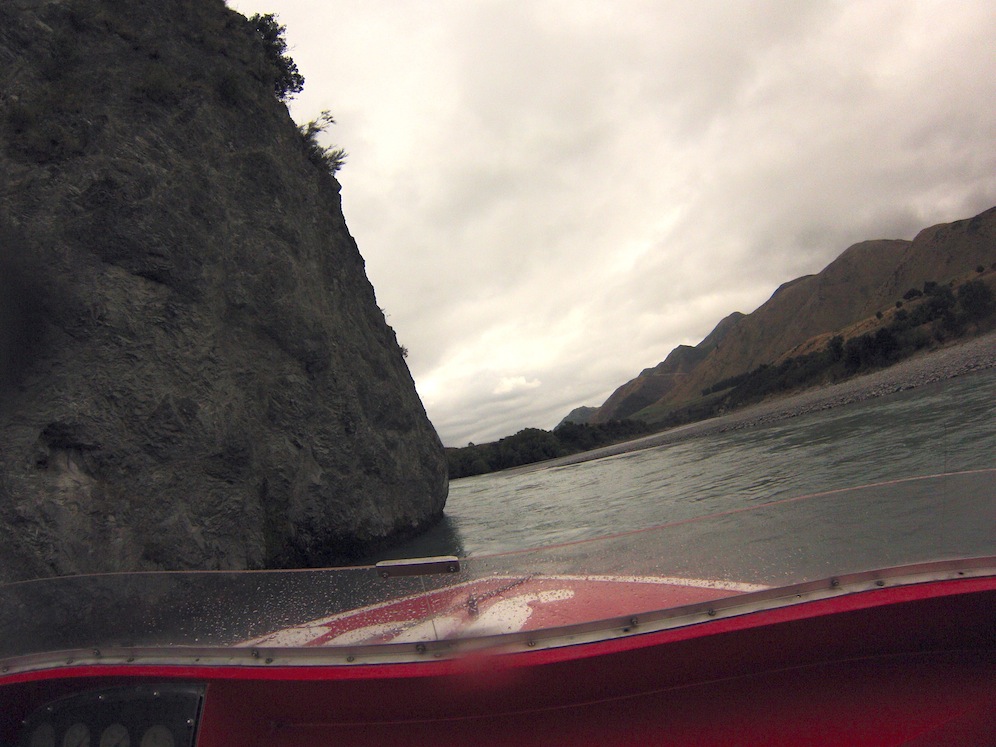
Jet boating. Only the video will give an idea of speed and drama.

Jet boating. Only the video will give an idea of speed and drama.

Our jet boat was an eighteen seater but there were only six of us, which was great because it meant we could change places so that we could enjoy the experience from different positions in the boat. Jet boats are remarkable toys. They have two 250 horse power engines which suck in water and expel it at a rate of 350 litres per second. This allows them to travel at speeds up to 100kph in water as shallow as 10cm. Each jet is independent of the other and it is this that makes them so manoeuvrable.

Our journey took us for 13km through the Hanmer Gorge in less than nine minutes, steering around rocks, skirting close to cliffs, and performing 360 degree spins. Having covered the distance we returned up stream, passing our starting point and continued on to a braided section of the river close to the village. We then returned to the jetty below the centre, having spent forty minutes rushing up and down the river.

360 degree spin

360 degree spin

It was thrilling to be travelling so fast through the water and to get so close to walls of rock and boulders within the river, but at no time was it scary. Perhaps if it had been a narrower gorge with more obstacles I might have been more concerned.

Adrenalin rush over we joined the rather more sedate po dwellers while Angela enjoyed a spa session.

All too soon Stephen’s time with us in New Zealand came to an end. Leaving Angela in Hanmer, I drove Stephen to Christchurch Airport for his flight back to Indonesia. It was a beautiful morning with clear skies but occasional bands of mist hugging the hillsides. The early morning colours were beautiful. Sadly no time to photograph.

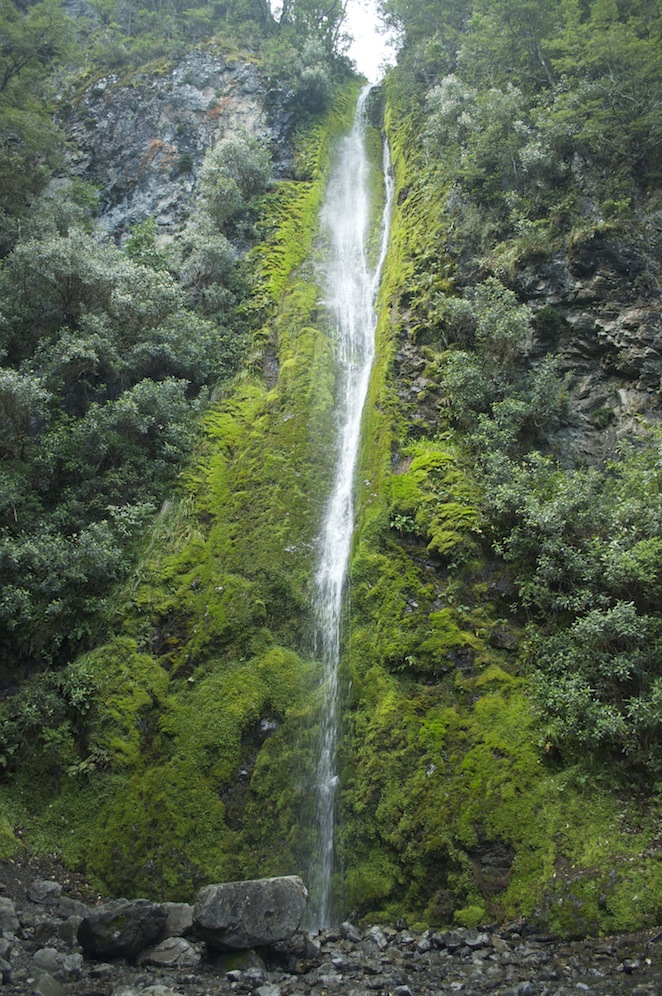
DSC_0980Having returned to Hanmer, Angela and I took a walk following Dog Stream up to Dog Stream Waterfall, a column of water that falls 41m high up on the slopes of Mt. Isobel. The walk took us through one of the indigenous forests I mentioned earlier. Many of the trees were honey trees, so called because the sap smells of honey and attracts bees. The bark of the tree is black, making it look as if it has been burnt by fire, but no such occurrence has taken place. The blackness even covers the ground, spreading out from the base of the tree. The smell of honey us quite strong and bees in their thousands are attracted to them. There is a constant hum in the air.
Not too much water tumbles over the fall at the moment but it is not too difficult to imagine it with more. As impressive , if not more so, is the vivid moss clinging to the rock down the length of the fall.

Tomorrow we head west, travelling through the Southern Alps to the west coast for a couple of days.